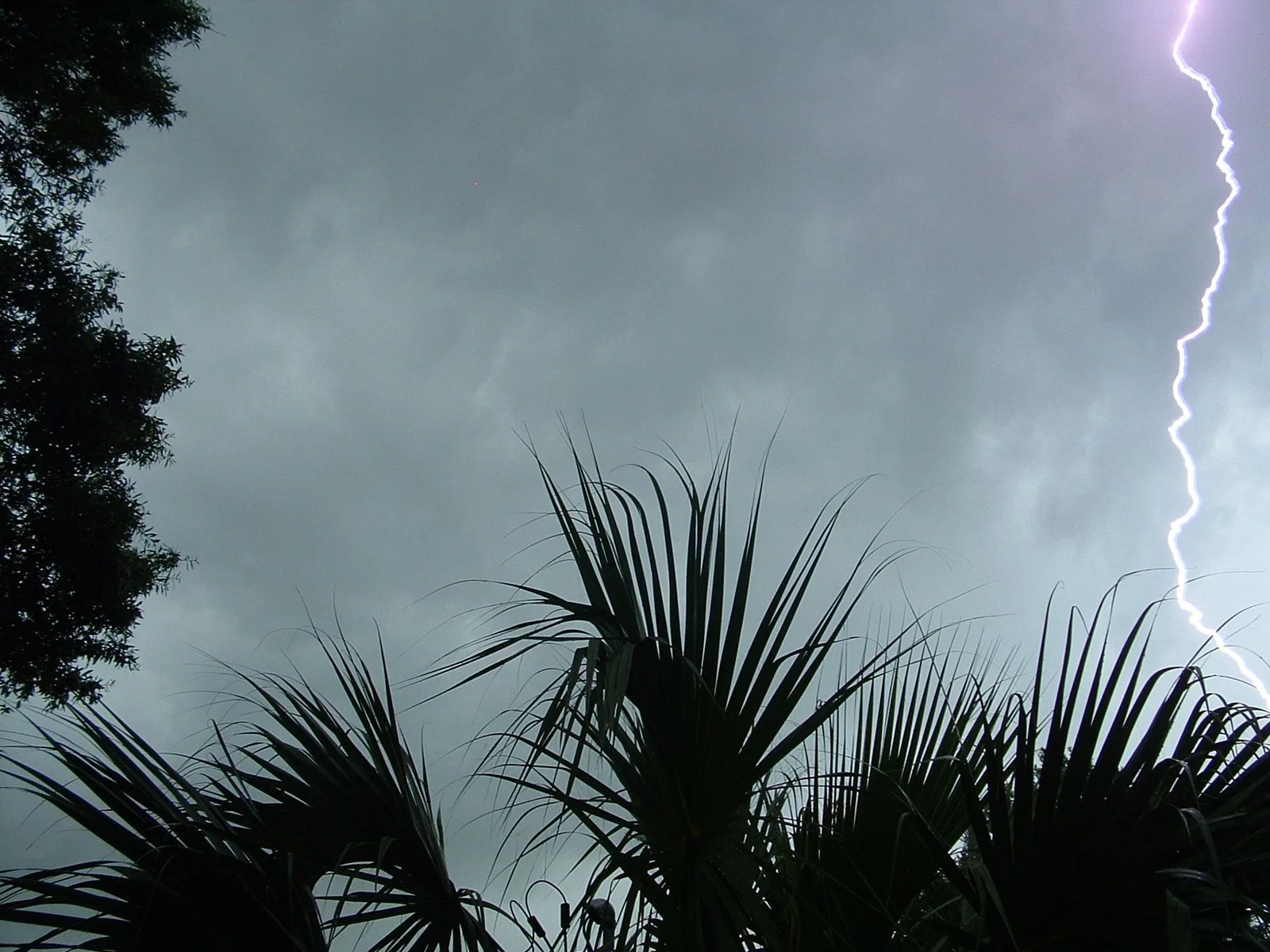

Listen for thunder
Lightning danger is not limited to the heaviest rain. If you can hear thunder, move to a substantial building or a fully enclosed, hard-topped vehicle. Do not wait for a warning polygon to reach your exact location. A forecast icon cannot show every lightning strike.
Know what counts as shelter
Open shelters, tents and isolated trees are not safe lightning shelters. Once inside, avoid contact with plumbing and corded electrical equipment during a thunderstorm. Keep away from windows. The National Weather Service advises waiting at least 30 minutes after the last thunder before resuming outdoor activities.
Use the map appropriately
This map displays official warning areas from connected providers; it is not a live lightning-detection network. A blank map should never be interpreted as confirmation that lightning is absent. Event organizers should use an appropriate local weather safety plan and official monitoring channels.
The 30-minute rule, in practice
The National Weather Service advises people to wait at least 30 minutes after the last thunder before going back outside. A quiet radar frame does not restart that clock. Thunder you can hear is close enough to be dangerous, even when the rain has not reached you and even when this map shows no polygon. Event organizers should stop outdoor play on thunder, not on the first lightning icon in a phone forecast.
Indoor habits that still matter
Once inside a substantial building, stay off corded phones and away from plumbing and windows until the storm has passed. A porch, a picnic shelter, a tent or a convertible is not a safe substitute. If you are in a hard-topped vehicle, keep the windows closed and avoid touching metal connected to the outside. This website does not operate a lightning-detection network.
Sources and further reading
Official National Weather Service reference. Source checked September 28, 2026. This general guide does not replace a current warning or advice from local authorities.
Check current warnings
Explore related live official warnings, or search your location for a forecast.